
Measuring What Matters: How to Evaluate the Impact of Compliance Orchestration

As more organizations move from planning to implementation in their compliance orchestration journey, one question becomes increasingly important: How do we know it’s working? It is not enough to build workflows, apply policies, or deploy tools. To deliver long-term value, orchestration efforts must be measurable aligned not just with compliance goals, but also with broader business outcomes. In this post, we outline how to think about impact and which metrics we recommend focusing on, especially in early-stage programs. Start with Purpose, Not Just Process Before defining metrics, revisit the “why” behind orchestration. Is the primary goal to reduce legal risk? Improve operational efficiency? Demonstrate defensibility in regulatory audits? The impact of orchestration should be measured against that purpose. Otherwise, reporting becomes an exercise in activity tracking rather than a reflection of actual progress. Four Categories of Metrics That Matter 1. Coverage and Adoption These metrics answer the question: How much of the organization is actually participating? Why it matters: Early wins here build internal support and reveal gaps that need targeted follow-up. 2. Execution and Consistency These metrics track how well the orchestration engine is functioning day to day. Why it matters: High volumes with low accuracy or frequent overrides may indicate that automation is outpacing governance. 3. Accuracy and Alignment Compliance must be defensible. These metrics assess how closely execution aligns with the intended policy framework. Why it matters: Strong alignment supports defensibility and helps avoid enforcement fatigue or rework. 4. Value and Efficiency Finally, evaluate whether orchestration is delivering measurable value. Why it matters: These metrics help connect compliance to cost savings and operational efficiency—two things that resonate with leadership. A Note on Maturity Metrics should evolve as the program matures. In early phases, adoption and execution metrics are most useful. As orchestration scales, accuracy and efficiency become more critical. Over time, leading organizations shift from measuring activity to measuring outcomes. Closing Thoughts Compliance orchestration is not just about automation. It is about building reliable, scalable programs that reduce risk and increase clarity. To do that well, organizations need to measure more than whether a task was completed. They need to understand whether the program is working—and why. At LexShift, we work with clients to design programs with measurement in mind from day one. Because if you can’t measure it, you can’t defend it. And if you can’t defend it, it is not governance—it’s guesswork. Coming next: What successful orchestration looks like over time, and how to evolve your program beyond the pilot phase. The information you obtain at this site, or this blog is not, nor is it intended to be, legal or consulting advice. You should consult with a professional regarding your individual situation. We invite you to contact us through the website, email, phone, or through LinkedIn.
Starting Small, Scaling Smart: A Phased Approach to Compliance Orchestration

For organizations that are ready to begin operationalizing governance through AI-enabled compliance orchestration, the next challenge is rarely about vision. It is about execution. These are the right questions. Orchestration is not a one-time deployment. It is a programmatic shift. And like any lasting operational change, it is best approached in phases. Below is a practical framework we often use with clients. It supports early momentum while setting the foundation for long-term sustainability. Phase 1: Define the Problem and Establish Ownership Before introducing tools or automation, begin by identifying a high-impact compliance use case. This might be retention schedule enforcement, defensible deletion, or classification of unstructured data within a specific department or repository. Key goals in this phase include: This phase often reveals fragmentation or ambiguity in roles and responsibilities. Addressing those issues early supports smoother implementation later. Phase 2: Pilot a Targeted Workflow Once the scope is defined, the next step is to conduct a pilot within a contained environment. Examples might include: The purpose of the pilot is not just to validate the technology. It is also to test the operating model, including how decisions are made, escalated, and monitored. Pilots are also an opportunity to build internal support through small but measurable wins. Phase 3: Expand with Guardrails After a successful pilot, the next step is to expand the orchestration framework to additional use cases or systems, while maintaining control. This phase typically includes: This is where orchestration begins to function as an operational model. The focus shifts from individual initiatives to consistent, repeatable processes. Phase 4: Sustain and Mature The final phase involves building long-term resilience. Orchestration becomes an embedded capability that supports both compliance and adaptability. Ongoing priorities at this stage include: At this stage, compliance moves from being reactive to proactive. It becomes a function that supports risk reduction, transparency, and business continuity. Final Thoughts: Start Where You Are You do not need perfect data or a flawless policy framework to begin. What matters most is identifying a focused opportunity, committing to a phased process, and learning as you go. At LexShift, we help organizations of all sizes take practical steps toward orchestration. Our approach combines legal and operational insight with a focus on what works today and what scales for tomorrow. Coming next: How to measure the impact of compliance orchestration and which metrics matter most. To learn more, visit lexshift.com/lexshift_staging/. The information you obtain at this site, or this blog is not, nor is it intended to be, legal or consulting advice. You should consult with a professional regarding your individual situation. We invite you to contact us through the website, email, phone, or through LinkedIn.
Readiness for AI-Enabled Compliance: What Needs to Be True Before You Start

As more organizations explore AI-enabled compliance orchestration, one of the most important questions is not “What does the technology do?” It is “Are we ready to use it effectively?” In our work with clients, we have seen that successful orchestration efforts do not begin with automation. They begin with clarity: clear ownership, clear policies, and a shared understanding of what compliance means in practice. Before orchestration can scale, a few foundational conditions should be in place. 1. You Know What You Need to Govern Technology can classify, map, and monitor data. But it cannot decide what should be governed or retained. That requires legal, regulatory, and business context. Organizations need a well-articulated policy framework before orchestration efforts can take hold. This does not mean everything must be perfect or fully documented. But it does mean having a solid understanding of: 2. There Is Clear Accountability AI can help automate tasks, but it cannot assign responsibility. Orchestration works best when roles are clearly defined. Organizations need to know who owns the policies, who ensures they are implemented, and who can resolve conflicts or approve exceptions. When responsibility is distributed without coordination, even the best tools can create more confusion than clarity. 3. The Goal Is a Program, Not Just a Project One of the biggest mindset shifts is viewing compliance as an ongoing program rather than a one-time initiative. This includes: Orchestration supports this by turning governance into a living, adaptive process. But it only works if the organization is ready to treat compliance as a continuous function, not a checklist. 4. You Are Prepared to Iterate There is no universal orchestration model. What works in one organization may not scale in another. Governance maturity, regulatory scope, and technical infrastructure all influence outcomes. AI-enabled orchestration is not a plug-and-play solution. It works best when treated as a framework that improves over time, supported by feedback loops, cross-functional collaboration, and a willingness to adapt. Looking Ahead The value of compliance orchestration lies in alignment. When policy, process, people, and technology work together, organizations are better equipped to manage risk, respond to change, and scale governance responsibly. At LexShift, we continue to help clients assess readiness, define practical strategies, and implement sustainable solutions based on where they are today. In our next post, we will explore what a phased approach to orchestration looks like and how organizations can start small while building for scale. To learn more, visit lexshift.com/lexshift_staging/ The information you obtain at this site, or this blog is not, nor is it intended to be, legal or consulting advice. You should consult with a professional regarding your individual situation. We invite you to contact us through the website, email, phone, or through LinkedIn.
AI-Enabled Compliance Orchestration: Moving from Policy to Practice
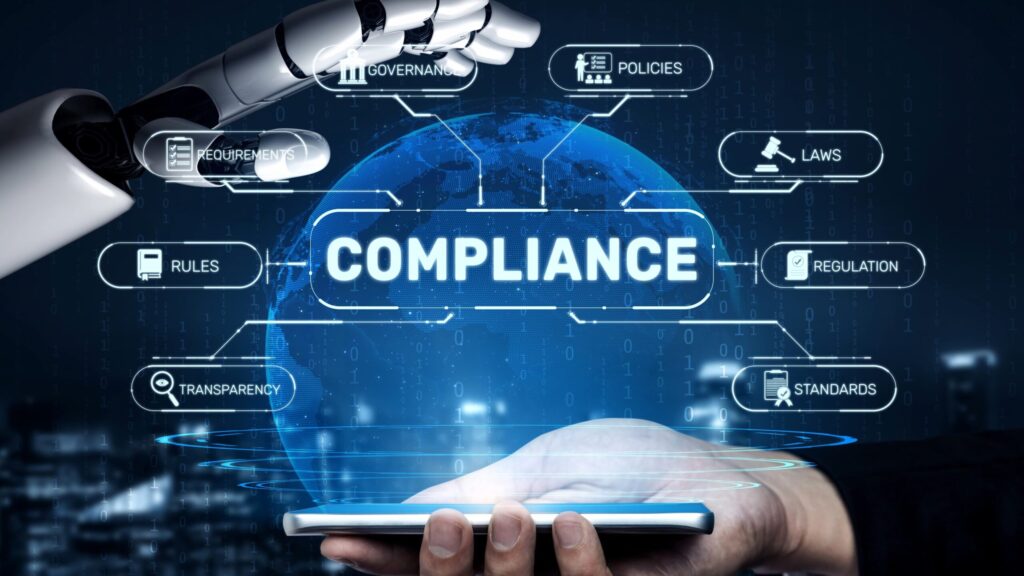
In conversations with clients and industry peers, one consistent theme continues to emerge: Organizations know what compliance requires—retention, defensible deletion, regulatory alignment—but still struggle with how to put those requirements into practice at scale. That gap between intent and execution is not due to a lack of effort. It reflects the growing complexity of regulatory demands, data environments, and organizational structures. As compliance expectations evolve, manual and reactive approaches are proving unsustainable. AI-enabled compliance orchestration is gaining traction as a meaningful response. It does not replace governance expertise. Instead, it helps extend and apply that expertise in ways that are scalable, measurable, and resilient to change. From Policy to Execution Many organizations already have the building blocks in place, such as retention schedules, privacy frameworks, and governance policies. However, applying those controls consistently across repositories, platforms, and departments remains a significant hurdle. Compliance orchestration offers a way to address this disconnect. It focuses on translating governance frameworks into operational workflows by linking policy with systems and supporting more consistent, auditable execution. At LexShift, we see this challenge frequently through our advisory and implementation work. Whether in the private or public sector, organizations are looking for practical ways to make governance work across complex data ecosystems. Orchestration offers one viable path forward. Governance That Learns and Adapts The orchestration model becomes especially effective when paired with AI. With the right oversight and inputs, AI can support: These capabilities do not solve the problem on their own, but they can significantly reduce the burden on IG teams and help shift compliance from reactive to proactive. From One-Time Efforts to Sustainable Programs Much of what has traditionally been considered “compliance work” has taken the form of point-in-time projects: audits, cleanup efforts, or isolated policy updates. While these efforts are often necessary, they rarely create lasting control or visibility. The shift we are seeing, and helping organizations make, is toward repeatable and sustainable programs that embed governance into day-to-day operations. This includes not just tools and workflows, but also clear ownership, current retention policies, and metrics that reflect the organization’s actual compliance posture. Looking Ahead In today’s environment, compliance is no longer a static checklist. It is a dynamic capability. Organizations need to demonstrate that policies are not only documented but actively followed, consistently applied, and supported with evidence. AI-enabled orchestration can help make this possible, especially when combined with strong governance models and subject-matter oversight. That balance—between automation and defensibility, and between policy and practice—continues to shape our work. For more on how we are approaching this challenge with our clients, visit lexshift.com/lexshift_staging/ The information you obtain at this site, or this blog is not, nor is it intended to be, legal or consulting advice. You should consult with a professional regarding your individual situation. We invite you to contact us through the website, email, phone, or through LinkedIn.