
From Siloed to Shared: Aligning Legal, Compliance, and IT for Orchestration Success

Orchestration does not belong to a single function. It depends on all of them. Yet many governance efforts still run into the same roadblocks: When orchestration is treated as the responsibility of one team, progress stalls. The friction is not just operational. It is strategic. To operationalize governance at scale, organizations need shared ownership, coordinated execution, and alignment between legal, compliance, IT, and business teams. This post outlines how to create that alignment without adding unnecessary complexity or slowing down decision-making. Governance is No Longer a Department; It is a Capability Every function plays a role in making compliance work at scale: When these groups are not coordinated, the result is fragmented execution. Policies are developed without operational input. Systems are configured without legal context. Audits expose gaps no one saw coming. Orchestration addresses this by introducing shared frameworks, repeatable processes, and feedback loops that involve each function in the right conversations at the right time. Three Practices for Cross-Functional Alignment 1. Establish a Common Language Policy and process often break down at the point of translation. Legal speaks in obligations. IT speaks in systems. The business speaks in workflows. Orchestration helps bridge these differences by standardizing how key elements are defined: A shared vocabulary reduces confusion, accelerates execution, and helps everyone stay aligned on outcomes. 2. Define Shared Success Metrics Each function tracks different objectives. Legal may focus on defensibility. Compliance may prioritize audit readiness. IT is often measured on uptime and efficiency. Orchestration works best when all parties see their role in a shared objective. Examples include: Shared metrics turn alignment into action and make progress visible. 3. Build Lightweight, Repeatable Governance Forums Cross-functional governance does not mean adding more meetings. It means creating the right ones. Establish small, focused working groups with clear roles: These should be embedded into the orchestration process, not treated as side conversations that follow after issues emerge. When governance becomes part of daily execution, alignment becomes sustainable. A Closing Thought: Alignment is the Infrastructure of Agility Sustainable compliance orchestration is not about locking everything down. It is about building the infrastructure—shared language, shared priorities, and shared accountability—that allows policy to move from strategy to execution without getting lost in translation. At LexShift, we see this shift gaining momentum. Governance is evolving from a siloed effort into an enterprise capability powered by AI, supported by aligned teams, and grounded in operational feedback. Coming next: Why orchestration belongs in transformation programs, from privacy and cloud to M&A and modernization. To explore the full series, visit lexshift.com The information you obtain at this site, or this blog is not, nor is it intended to be, legal or consulting advice. You should consult with a professional regarding your individual situation. We invite you to contact us through the website, email, phone, or through LinkedIn.
Integrating AI into Governance: How to Do It Responsibly and Effectively

The promise of AI in compliance is clear: faster classification, smarter workflows, better visibility across sprawling data environments. But as AI tools evolve, so does the pressure to “plug them in” quickly—often without the structures needed to verify that outputs are consistent, explainable, and defensible. Governance leaders are right to be cautious. AI should not replace judgment. It should enhance it. This article explores how to integrate AI into governance workflows in a responsible, effective, and sustainable way, building on the foundational principles of orchestration. AI + Governance: A High-Leverage Combination AI can help solve many of the problems that governance teams face every day: But like any automation, AI needs context. Without a clear governance framework, AI simply produces faster decisions—not better ones. The opportunity lies in pairing AI’s speed and scale with governance’s structure and oversight. Five Principles for Responsible AI Integration in Governance 1. Start with Policy, Not the Model Before applying AI to a compliance process, be clear about: AI is not a substitute for policy. It is a tool to apply policy more consistently and efficiently. That means governance teams should guide AI implementation—not react to it after the fact. 2. Focus on Use Cases with Clear Boundaries AI is most effective when used on well-defined tasks with clear input and expected outcomes. Start with use cases like: These use cases allow teams to build confidence, evaluate performance, and refine controls before expanding to more complex applications. 3. Keep Humans in the Loop Human oversight is not optional. Even when AI is highly accurate, it can still misclassify, miss nuance, or drift over time. Effective governance includes: The goal is not to second-guess the AI, but to make sure its outputs stay aligned with policy intent. 4. Document the Decision Path Explainability matter, especially in legal, regulatory, or audit contexts. Any AI-driven governance decision should leave a trail: This documentation supports defensibility and helps teams improve models over time. 5. Establish a Lifecycle Model AI governance is not a one-time deployment. It requires ongoing care: Build these checkpoints into the orchestration model so AI evolves alongside the business. AI as a Governance Enabler, Not a Risk Multiplier When implemented with the right oversight, AI strengthens governance: But when AI is added without clear policy, accountability, or control, it creates the illusion of compliance—speed without structure, automation without understanding. At LexShift, we help organizations integrate AI into governance processes in a way that supports both performance and defensibility. The key is starting with what matters: policy clarity, organizational alignment, and practical oversight. Coming next: How to align legal, compliance, and IT teams around a shared orchestration strategy. To learn more, visit lexshift.com The information you obtain at this site, or this blog is not, nor is it intended to be, legal or consulting advice. You should consult with a professional regarding your individual situation. We invite you to contact us through the website, email, phone, or through LinkedIn.
Governance at Speed: How to Maintain Control While Enabling Agility

In many organizations, governance and agility are treated as tradeoffs. The assumption is that one slows the other down—that the more structured your governance, the harder it is to move quickly, innovate, or respond in real time. But the reality is different. When governance is designed to be operational, not ornamental, it doesn’t slow teams down. It gives them clarity. It reduces friction. And it builds trust that decisions can be made—and acted on—without increasing risk. This post explores how to structure compliance governance for environments that demand speed, change, and adaptability. The False Choice Between Governance and Agility The perception that governance is at odds with agility often stems from legacy models: These structures create lag. They frustrate teams. And they reinforce the idea that governance is a gate, not a guide. But agility without governance is just improvisation. And governance without agility becomes irrelevant. The key is to design a model that does both—at scale. Design Principles for Governance That Moves with the Business 1. Clarity Over Complexity When policies are vague, people wait for interpretation. When they’re overly detailed, they break down under pressure. Striking a balance means writing governance clearly, concise, and actionable—especially when speed matters. Effective orchestration relies on well-defined: Clarity doesn’t come from more documentation. It comes from alignment. 2. Pre-Positioned Controls Agility is not about making decisions faster—it’s about making decisions that don’t have to be re-decided. A sustainable governance model builds decision points into systems, not after them: When teams don’t have to stop and ask for permission every time, they move faster—with control. 3. Distributed Accountability Centralized oversight is important, but operational agility depends on empowering people closest to the work. That means: Distributed accountability supports both responsiveness and consistency. 4. Modular Policy Architecture Governance that’s tightly coupled to a single system, geography, or team doesn’t scale—or flex. Instead, build modular policies that can be reused, reconfigured, or extended. For example: A modular approach allows orchestration to evolve without starting over. 5. Continuous Feedback Loops Speed requires confidence. And confidence comes from data. Governance at speed depends on: It’s not about locking things down. It’s about creating enough awareness to know when to adjust and enough control to do it quickly. Closing Thought: Control Without Bottlenecks Speed is not the enemy of governance. It’s the test of it. When governance is designed to support execution—rather than restrict it—it becomes a force multiplier for agility. Teams can move fast, make decisions, and adapt to change without creating chaos or compliance gaps. At LexShift, we help organizations design governance that scales with complexity and flexes with change—so they can move faster, with more confidence and less risk. Next in the series: Integrating AI into governance processes—how to do it responsibly and effectively. To explore the full series or learn more, visit lexshift.com/lexshift_staging/ The information you obtain at this site, or this blog is not, nor is it intended to be, legal or consulting advice. You should consult with a professional regarding your individual situation. We invite you to contact us through the website, email, phone, or through LinkedIn.
Orchestrating Across Complexity: Supporting Compliance in Decentralized Environments

In theory, compliance orchestration sounds straightforward: align systems to policy, automate where possible, and embed oversight. But in practice, many organizations operate in environments where governance authority, data ownership, and infrastructure are decentralized. Business units have their own systems. Global regions follow different regulatory frameworks. Teams apply policies inconsistently—or not at all. This is where orchestration shows its real value. And also, where it faces its biggest challenges. In this article, we explore how to make orchestration work across complex, distributed environments without relying on top-down control. Decentralization Is the Default, Not the Exception For many organizations, decentralization is not a temporary state. It is how they’re structured. Growth through acquisition, global operations, matrixed accountability—these create necessary autonomy, but also uneven compliance maturity and risk visibility. Trying to force a single system or policy across all entities often leads to friction, noncompliance, or quiet workarounds. A more sustainable approach is to orchestrate with the environment, not against it—by aligning governance objectives with operational realities. Five Ways to Support Orchestration in Decentralized Settings 1. Establish a Federated Governance Model Rather than centralizing every decision, define a shared governance framework with clear local responsibilities. This balance builds local accountability while keeping alignment with enterprise goals. 2. Use Technology to Enforce Policy, Not Just Publish It In decentralized environments, policies often exist—but enforcement is inconsistent. Orchestration helps bridge that gap by turning policy into action. Technology should not depend on centralization. It should support compliance where the data lives. 3. Build Reusable Frameworks, Not One-Off Solutions Avoid customizing workflows for every department or region. Instead, define modular templates that can be tailored without starting from scratch. Examples include: This approach reduces overhead while still respecting local nuance. 4. Create Visibility Without Micromanagement Oversight in decentralized environments often fails because it depends on manual reporting or reactive audits. Instead, focus on building visibility into the orchestration layer itself: Transparency supports better conversations between centralized and local teams. 5. Invest in Relationships, Not Just Roles No model works without trust. In decentralized environments, orchestration depends as much on relationship-building as it does on systems. Sustainable orchestration is collaborative, not prescriptive. Closing Thought: Centralized Control Is Not the Goal The goal of compliance orchestration is not to centralize control. It is to ensure that policies are consistently applied, risks are visible, and actions are defensible—no matter how complex or distributed the organization becomes. At LexShift, we help clients build orchestration programs that work with complexity, not against it. That includes strategies for scaling policy enforcement, improving visibility, and enabling collaboration across diverse environments. Coming next: Governance at speed—how to maintain control while enabling agility. To learn more, visit lexshift.com/lexshift_staging/. The information you obtain at this site, or this blog is not, nor is it intended to be, legal or consulting advice. You should consult with a professional regarding your individual situation. We invite you to contact us through the website, email, phone, or through LinkedIn.
Building for Sustainability: Designing a Governance Operating Model that Supports Orchestration

Compliance orchestration can begin with a pilot, but it can’t thrive in isolation. To sustain impact, organizations need more than workflows and tools—they need a governance operating model that supports clarity, consistency, and accountability across the lifecycle of information. In this post, we explore what that model looks like, and how organizations can build it to support long-term success. Why Governance Operating Models Matter Compliance orchestration connects policies to systems. But governance defines how those policies are made, maintained, and enforced. Without a functioning governance model, orchestration becomes brittle. Rules are unclear. Ownership is fragmented. Updates are manual and inconsistent. As a result, automation either breaks down or drifts away from the original intent. An effective governance model provides the foundation orchestration needs to scale—one that includes structure, roles, decision rights, and mechanisms for feedback and change. Five Core Elements of a Governance Operating Model 1. Defined Ownership Every element of compliance—from retention schedules to classification rules—requires clear ownership. Not just for legal review, but for ongoing maintenance and implementation. Key questions to resolve: Governance models work best when accountability is distributed but aligned. That means clarity at the top, and coordination across legal, compliance, IT, and business units. 2. Decision-Making Frameworks Policies change. Risk profiles shift. New regulations emerge. A strong operating model defines how decisions are made and who is empowered to make them. Consider: The absence of a clear decision-making structure slows orchestration and increases risk. The presence of one enables agility without chaos. 3. Policy Lifecycle Management Policies are not static. A sustainable governance model includes processes for reviewing, updating, and retiring governance rules over time. Best practices include: Governance models that anticipate change are more likely to survive it. 4. Integrated Execution Execution does not sit in a silo. The operating model must ensure that governance is embedded in day-to-day operations. Examples include: Orchestration succeeds when governance is part of the system, not added to it. 5. Measurement and Oversight Measurement is what turns governance from a framework into a program. The operating model should define what gets measured, how often, and how results are used. This includes: Monitoring alone is not enough. Sustainable models turn insight into action. Putting It All Together A well-designed governance operating model supports orchestration by making it: At LexShift, we help clients design governance structures that are pragmatic and adaptable—not just ideal on paper, but workable in practice. Because long-term compliance is not just about policies or tools. It is about people, processes, and the structure that brings them together. Next in the series: How to support orchestration across decentralized environments. To learn more, visit lexshift.com/lexshift_staging/ The information you obtain at this site, or this blog is not, nor is it intended to be, legal or consulting advice. You should consult with a professional regarding your individual situation. We invite you to contact us through the website, email, phone, or through LinkedIn.
Beyond the Pilot: What Successful Compliance Orchestration Looks Like Over Time

Launching a compliance orchestration pilot is a meaningful milestone. It creates proof of concept, helps clarify responsibilities, and begins to translate governance policies into actual operational behavior. But long-term success isn’t about a successful pilot. It’s about building a program that matures, scales, and adapts to change. In this post, we look at what effective compliance orchestration looks like over time—and how to evolve your program from pilot to practice. From Point Solution to Program Mindset Many orchestration pilots begin with a narrow goal: apply a retention rule, automate a deletion workflow, or classify a known dataset. That’s the right place to start. But organizations that succeed over time shift their mindset from solving a discrete problem to building a sustainable program. They begin to see orchestration not as a single tool or workflow, but as an operating model for how compliance decisions are implemented and measured. This shift opens the door to scale. What Success Looks Like Over Time 1. Compliance Becomes Repeatable Governance activities are no longer driven by one-off audits or projects. Instead, policies are applied consistently across systems, and workflows are designed to support regular execution. Key indicators: 2. Governance Is Embedded in Operations Orchestration matures when it no longer sits on the side. It becomes part of how the organization works. Examples include: When governance becomes operational, it is easier to sustain—and harder to ignore. 3. Metrics Drive Decision-Making As programs mature, measurement evolves. Organizations begin to track not just whether compliance actions are happening, but whether they are having the intended impact. Look for: Over time, successful teams move from reporting on activity to reporting on outcomes. 4. The Program Adapts to Change Compliance requirements shift. Business structures evolve. Technology landscapes grow more complex. Successful orchestration programs are designed to respond to this change without needing to start over. Signs of adaptability: Resilient programs are those that can evolve without disruption. How to Support Long-Term Maturity To move beyond the pilot phase, organizations need more than a successful implementation. They need structure. That includes: Orchestration programs that mature over time are often led by teams that treat compliance as a function to be managed, not just a requirement to be met. Final Thought: Build for What’s Next Successful compliance orchestration is not about doing everything at once. It is about building a foundation that allows you to respond to new challenges without rethinking your entire approach. At LexShift, we help organizations move from proof of concept to practice, aligning governance strategies with scalable execution. Because true maturity isn’t measured by how fast you start—it’s measured by how well you adapt. Coming next: How to build a governance operating model that supports sustainable orchestration. To learn more, visit lexshift.com/lexshift_staging/ The information you obtain at this site, or this blog is not, nor is it intended to be, legal or consulting advice. You should consult with a professional regarding your individual situation. We invite you to contact us through the website, email, phone, or through LinkedIn.
Measuring What Matters: How to Evaluate the Impact of Compliance Orchestration

As more organizations move from planning to implementation in their compliance orchestration journey, one question becomes increasingly important: How do we know it’s working? It is not enough to build workflows, apply policies, or deploy tools. To deliver long-term value, orchestration efforts must be measurable aligned not just with compliance goals, but also with broader business outcomes. In this post, we outline how to think about impact and which metrics we recommend focusing on, especially in early-stage programs. Start with Purpose, Not Just Process Before defining metrics, revisit the “why” behind orchestration. Is the primary goal to reduce legal risk? Improve operational efficiency? Demonstrate defensibility in regulatory audits? The impact of orchestration should be measured against that purpose. Otherwise, reporting becomes an exercise in activity tracking rather than a reflection of actual progress. Four Categories of Metrics That Matter 1. Coverage and Adoption These metrics answer the question: How much of the organization is actually participating? Why it matters: Early wins here build internal support and reveal gaps that need targeted follow-up. 2. Execution and Consistency These metrics track how well the orchestration engine is functioning day to day. Why it matters: High volumes with low accuracy or frequent overrides may indicate that automation is outpacing governance. 3. Accuracy and Alignment Compliance must be defensible. These metrics assess how closely execution aligns with the intended policy framework. Why it matters: Strong alignment supports defensibility and helps avoid enforcement fatigue or rework. 4. Value and Efficiency Finally, evaluate whether orchestration is delivering measurable value. Why it matters: These metrics help connect compliance to cost savings and operational efficiency—two things that resonate with leadership. A Note on Maturity Metrics should evolve as the program matures. In early phases, adoption and execution metrics are most useful. As orchestration scales, accuracy and efficiency become more critical. Over time, leading organizations shift from measuring activity to measuring outcomes. Closing Thoughts Compliance orchestration is not just about automation. It is about building reliable, scalable programs that reduce risk and increase clarity. To do that well, organizations need to measure more than whether a task was completed. They need to understand whether the program is working—and why. At LexShift, we work with clients to design programs with measurement in mind from day one. Because if you can’t measure it, you can’t defend it. And if you can’t defend it, it is not governance—it’s guesswork. Coming next: What successful orchestration looks like over time, and how to evolve your program beyond the pilot phase. The information you obtain at this site, or this blog is not, nor is it intended to be, legal or consulting advice. You should consult with a professional regarding your individual situation. We invite you to contact us through the website, email, phone, or through LinkedIn.
Starting Small, Scaling Smart: A Phased Approach to Compliance Orchestration

For organizations that are ready to begin operationalizing governance through AI-enabled compliance orchestration, the next challenge is rarely about vision. It is about execution. These are the right questions. Orchestration is not a one-time deployment. It is a programmatic shift. And like any lasting operational change, it is best approached in phases. Below is a practical framework we often use with clients. It supports early momentum while setting the foundation for long-term sustainability. Phase 1: Define the Problem and Establish Ownership Before introducing tools or automation, begin by identifying a high-impact compliance use case. This might be retention schedule enforcement, defensible deletion, or classification of unstructured data within a specific department or repository. Key goals in this phase include: This phase often reveals fragmentation or ambiguity in roles and responsibilities. Addressing those issues early supports smoother implementation later. Phase 2: Pilot a Targeted Workflow Once the scope is defined, the next step is to conduct a pilot within a contained environment. Examples might include: The purpose of the pilot is not just to validate the technology. It is also to test the operating model, including how decisions are made, escalated, and monitored. Pilots are also an opportunity to build internal support through small but measurable wins. Phase 3: Expand with Guardrails After a successful pilot, the next step is to expand the orchestration framework to additional use cases or systems, while maintaining control. This phase typically includes: This is where orchestration begins to function as an operational model. The focus shifts from individual initiatives to consistent, repeatable processes. Phase 4: Sustain and Mature The final phase involves building long-term resilience. Orchestration becomes an embedded capability that supports both compliance and adaptability. Ongoing priorities at this stage include: At this stage, compliance moves from being reactive to proactive. It becomes a function that supports risk reduction, transparency, and business continuity. Final Thoughts: Start Where You Are You do not need perfect data or a flawless policy framework to begin. What matters most is identifying a focused opportunity, committing to a phased process, and learning as you go. At LexShift, we help organizations of all sizes take practical steps toward orchestration. Our approach combines legal and operational insight with a focus on what works today and what scales for tomorrow. Coming next: How to measure the impact of compliance orchestration and which metrics matter most. To learn more, visit lexshift.com/lexshift_staging/. The information you obtain at this site, or this blog is not, nor is it intended to be, legal or consulting advice. You should consult with a professional regarding your individual situation. We invite you to contact us through the website, email, phone, or through LinkedIn.
Readiness for AI-Enabled Compliance: What Needs to Be True Before You Start

As more organizations explore AI-enabled compliance orchestration, one of the most important questions is not “What does the technology do?” It is “Are we ready to use it effectively?” In our work with clients, we have seen that successful orchestration efforts do not begin with automation. They begin with clarity: clear ownership, clear policies, and a shared understanding of what compliance means in practice. Before orchestration can scale, a few foundational conditions should be in place. 1. You Know What You Need to Govern Technology can classify, map, and monitor data. But it cannot decide what should be governed or retained. That requires legal, regulatory, and business context. Organizations need a well-articulated policy framework before orchestration efforts can take hold. This does not mean everything must be perfect or fully documented. But it does mean having a solid understanding of: 2. There Is Clear Accountability AI can help automate tasks, but it cannot assign responsibility. Orchestration works best when roles are clearly defined. Organizations need to know who owns the policies, who ensures they are implemented, and who can resolve conflicts or approve exceptions. When responsibility is distributed without coordination, even the best tools can create more confusion than clarity. 3. The Goal Is a Program, Not Just a Project One of the biggest mindset shifts is viewing compliance as an ongoing program rather than a one-time initiative. This includes: Orchestration supports this by turning governance into a living, adaptive process. But it only works if the organization is ready to treat compliance as a continuous function, not a checklist. 4. You Are Prepared to Iterate There is no universal orchestration model. What works in one organization may not scale in another. Governance maturity, regulatory scope, and technical infrastructure all influence outcomes. AI-enabled orchestration is not a plug-and-play solution. It works best when treated as a framework that improves over time, supported by feedback loops, cross-functional collaboration, and a willingness to adapt. Looking Ahead The value of compliance orchestration lies in alignment. When policy, process, people, and technology work together, organizations are better equipped to manage risk, respond to change, and scale governance responsibly. At LexShift, we continue to help clients assess readiness, define practical strategies, and implement sustainable solutions based on where they are today. In our next post, we will explore what a phased approach to orchestration looks like and how organizations can start small while building for scale. To learn more, visit lexshift.com/lexshift_staging/ The information you obtain at this site, or this blog is not, nor is it intended to be, legal or consulting advice. You should consult with a professional regarding your individual situation. We invite you to contact us through the website, email, phone, or through LinkedIn.
AI-Enabled Compliance Orchestration: Moving from Policy to Practice
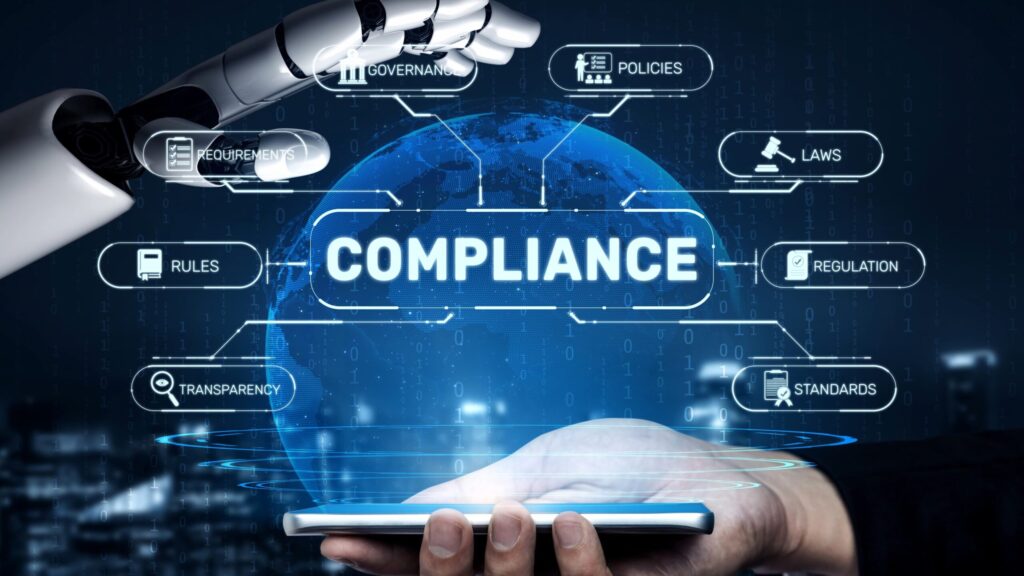
In conversations with clients and industry peers, one consistent theme continues to emerge: Organizations know what compliance requires—retention, defensible deletion, regulatory alignment—but still struggle with how to put those requirements into practice at scale. That gap between intent and execution is not due to a lack of effort. It reflects the growing complexity of regulatory demands, data environments, and organizational structures. As compliance expectations evolve, manual and reactive approaches are proving unsustainable. AI-enabled compliance orchestration is gaining traction as a meaningful response. It does not replace governance expertise. Instead, it helps extend and apply that expertise in ways that are scalable, measurable, and resilient to change. From Policy to Execution Many organizations already have the building blocks in place, such as retention schedules, privacy frameworks, and governance policies. However, applying those controls consistently across repositories, platforms, and departments remains a significant hurdle. Compliance orchestration offers a way to address this disconnect. It focuses on translating governance frameworks into operational workflows by linking policy with systems and supporting more consistent, auditable execution. At LexShift, we see this challenge frequently through our advisory and implementation work. Whether in the private or public sector, organizations are looking for practical ways to make governance work across complex data ecosystems. Orchestration offers one viable path forward. Governance That Learns and Adapts The orchestration model becomes especially effective when paired with AI. With the right oversight and inputs, AI can support: These capabilities do not solve the problem on their own, but they can significantly reduce the burden on IG teams and help shift compliance from reactive to proactive. From One-Time Efforts to Sustainable Programs Much of what has traditionally been considered “compliance work” has taken the form of point-in-time projects: audits, cleanup efforts, or isolated policy updates. While these efforts are often necessary, they rarely create lasting control or visibility. The shift we are seeing, and helping organizations make, is toward repeatable and sustainable programs that embed governance into day-to-day operations. This includes not just tools and workflows, but also clear ownership, current retention policies, and metrics that reflect the organization’s actual compliance posture. Looking Ahead In today’s environment, compliance is no longer a static checklist. It is a dynamic capability. Organizations need to demonstrate that policies are not only documented but actively followed, consistently applied, and supported with evidence. AI-enabled orchestration can help make this possible, especially when combined with strong governance models and subject-matter oversight. That balance—between automation and defensibility, and between policy and practice—continues to shape our work. For more on how we are approaching this challenge with our clients, visit lexshift.com/lexshift_staging/ The information you obtain at this site, or this blog is not, nor is it intended to be, legal or consulting advice. You should consult with a professional regarding your individual situation. We invite you to contact us through the website, email, phone, or through LinkedIn.