
Orchestrating Across Complexity: Supporting Compliance in Decentralized Environments

In theory, compliance orchestration sounds straightforward: align systems to policy, automate where possible, and embed oversight. But in practice, many organizations operate in environments where governance authority, data ownership, and infrastructure are decentralized. Business units have their own systems. Global regions follow different regulatory frameworks. Teams apply policies inconsistently—or not at all. This is where orchestration shows its real value. And also, where it faces its biggest challenges. In this article, we explore how to make orchestration work across complex, distributed environments without relying on top-down control. Decentralization Is the Default, Not the Exception For many organizations, decentralization is not a temporary state. It is how they’re structured. Growth through acquisition, global operations, matrixed accountability—these create necessary autonomy, but also uneven compliance maturity and risk visibility. Trying to force a single system or policy across all entities often leads to friction, noncompliance, or quiet workarounds. A more sustainable approach is to orchestrate with the environment, not against it—by aligning governance objectives with operational realities. Five Ways to Support Orchestration in Decentralized Settings 1. Establish a Federated Governance Model Rather than centralizing every decision, define a shared governance framework with clear local responsibilities. This balance builds local accountability while keeping alignment with enterprise goals. 2. Use Technology to Enforce Policy, Not Just Publish It In decentralized environments, policies often exist—but enforcement is inconsistent. Orchestration helps bridge that gap by turning policy into action. Technology should not depend on centralization. It should support compliance where the data lives. 3. Build Reusable Frameworks, Not One-Off Solutions Avoid customizing workflows for every department or region. Instead, define modular templates that can be tailored without starting from scratch. Examples include: This approach reduces overhead while still respecting local nuance. 4. Create Visibility Without Micromanagement Oversight in decentralized environments often fails because it depends on manual reporting or reactive audits. Instead, focus on building visibility into the orchestration layer itself: Transparency supports better conversations between centralized and local teams. 5. Invest in Relationships, Not Just Roles No model works without trust. In decentralized environments, orchestration depends as much on relationship-building as it does on systems. Sustainable orchestration is collaborative, not prescriptive. Closing Thought: Centralized Control Is Not the Goal The goal of compliance orchestration is not to centralize control. It is to ensure that policies are consistently applied, risks are visible, and actions are defensible—no matter how complex or distributed the organization becomes. At LexShift, we help clients build orchestration programs that work with complexity, not against it. That includes strategies for scaling policy enforcement, improving visibility, and enabling collaboration across diverse environments. Coming next: Governance at speed—how to maintain control while enabling agility. To learn more, visit lexshift.com/lexshift_staging/. The information you obtain at this site, or this blog is not, nor is it intended to be, legal or consulting advice. You should consult with a professional regarding your individual situation. We invite you to contact us through the website, email, phone, or through LinkedIn.
Beyond the Pilot: What Successful Compliance Orchestration Looks Like Over Time

Launching a compliance orchestration pilot is a meaningful milestone. It creates proof of concept, helps clarify responsibilities, and begins to translate governance policies into actual operational behavior. But long-term success isn’t about a successful pilot. It’s about building a program that matures, scales, and adapts to change. In this post, we look at what effective compliance orchestration looks like over time—and how to evolve your program from pilot to practice. From Point Solution to Program Mindset Many orchestration pilots begin with a narrow goal: apply a retention rule, automate a deletion workflow, or classify a known dataset. That’s the right place to start. But organizations that succeed over time shift their mindset from solving a discrete problem to building a sustainable program. They begin to see orchestration not as a single tool or workflow, but as an operating model for how compliance decisions are implemented and measured. This shift opens the door to scale. What Success Looks Like Over Time 1. Compliance Becomes Repeatable Governance activities are no longer driven by one-off audits or projects. Instead, policies are applied consistently across systems, and workflows are designed to support regular execution. Key indicators: 2. Governance Is Embedded in Operations Orchestration matures when it no longer sits on the side. It becomes part of how the organization works. Examples include: When governance becomes operational, it is easier to sustain—and harder to ignore. 3. Metrics Drive Decision-Making As programs mature, measurement evolves. Organizations begin to track not just whether compliance actions are happening, but whether they are having the intended impact. Look for: Over time, successful teams move from reporting on activity to reporting on outcomes. 4. The Program Adapts to Change Compliance requirements shift. Business structures evolve. Technology landscapes grow more complex. Successful orchestration programs are designed to respond to this change without needing to start over. Signs of adaptability: Resilient programs are those that can evolve without disruption. How to Support Long-Term Maturity To move beyond the pilot phase, organizations need more than a successful implementation. They need structure. That includes: Orchestration programs that mature over time are often led by teams that treat compliance as a function to be managed, not just a requirement to be met. Final Thought: Build for What’s Next Successful compliance orchestration is not about doing everything at once. It is about building a foundation that allows you to respond to new challenges without rethinking your entire approach. At LexShift, we help organizations move from proof of concept to practice, aligning governance strategies with scalable execution. Because true maturity isn’t measured by how fast you start—it’s measured by how well you adapt. Coming next: How to build a governance operating model that supports sustainable orchestration. To learn more, visit lexshift.com/lexshift_staging/ The information you obtain at this site, or this blog is not, nor is it intended to be, legal or consulting advice. You should consult with a professional regarding your individual situation. We invite you to contact us through the website, email, phone, or through LinkedIn.
Starting Small, Scaling Smart: A Phased Approach to Compliance Orchestration

For organizations that are ready to begin operationalizing governance through AI-enabled compliance orchestration, the next challenge is rarely about vision. It is about execution. These are the right questions. Orchestration is not a one-time deployment. It is a programmatic shift. And like any lasting operational change, it is best approached in phases. Below is a practical framework we often use with clients. It supports early momentum while setting the foundation for long-term sustainability. Phase 1: Define the Problem and Establish Ownership Before introducing tools or automation, begin by identifying a high-impact compliance use case. This might be retention schedule enforcement, defensible deletion, or classification of unstructured data within a specific department or repository. Key goals in this phase include: This phase often reveals fragmentation or ambiguity in roles and responsibilities. Addressing those issues early supports smoother implementation later. Phase 2: Pilot a Targeted Workflow Once the scope is defined, the next step is to conduct a pilot within a contained environment. Examples might include: The purpose of the pilot is not just to validate the technology. It is also to test the operating model, including how decisions are made, escalated, and monitored. Pilots are also an opportunity to build internal support through small but measurable wins. Phase 3: Expand with Guardrails After a successful pilot, the next step is to expand the orchestration framework to additional use cases or systems, while maintaining control. This phase typically includes: This is where orchestration begins to function as an operational model. The focus shifts from individual initiatives to consistent, repeatable processes. Phase 4: Sustain and Mature The final phase involves building long-term resilience. Orchestration becomes an embedded capability that supports both compliance and adaptability. Ongoing priorities at this stage include: At this stage, compliance moves from being reactive to proactive. It becomes a function that supports risk reduction, transparency, and business continuity. Final Thoughts: Start Where You Are You do not need perfect data or a flawless policy framework to begin. What matters most is identifying a focused opportunity, committing to a phased process, and learning as you go. At LexShift, we help organizations of all sizes take practical steps toward orchestration. Our approach combines legal and operational insight with a focus on what works today and what scales for tomorrow. Coming next: How to measure the impact of compliance orchestration and which metrics matter most. To learn more, visit lexshift.com/lexshift_staging/. The information you obtain at this site, or this blog is not, nor is it intended to be, legal or consulting advice. You should consult with a professional regarding your individual situation. We invite you to contact us through the website, email, phone, or through LinkedIn.
Readiness for AI-Enabled Compliance: What Needs to Be True Before You Start

As more organizations explore AI-enabled compliance orchestration, one of the most important questions is not “What does the technology do?” It is “Are we ready to use it effectively?” In our work with clients, we have seen that successful orchestration efforts do not begin with automation. They begin with clarity: clear ownership, clear policies, and a shared understanding of what compliance means in practice. Before orchestration can scale, a few foundational conditions should be in place. 1. You Know What You Need to Govern Technology can classify, map, and monitor data. But it cannot decide what should be governed or retained. That requires legal, regulatory, and business context. Organizations need a well-articulated policy framework before orchestration efforts can take hold. This does not mean everything must be perfect or fully documented. But it does mean having a solid understanding of: 2. There Is Clear Accountability AI can help automate tasks, but it cannot assign responsibility. Orchestration works best when roles are clearly defined. Organizations need to know who owns the policies, who ensures they are implemented, and who can resolve conflicts or approve exceptions. When responsibility is distributed without coordination, even the best tools can create more confusion than clarity. 3. The Goal Is a Program, Not Just a Project One of the biggest mindset shifts is viewing compliance as an ongoing program rather than a one-time initiative. This includes: Orchestration supports this by turning governance into a living, adaptive process. But it only works if the organization is ready to treat compliance as a continuous function, not a checklist. 4. You Are Prepared to Iterate There is no universal orchestration model. What works in one organization may not scale in another. Governance maturity, regulatory scope, and technical infrastructure all influence outcomes. AI-enabled orchestration is not a plug-and-play solution. It works best when treated as a framework that improves over time, supported by feedback loops, cross-functional collaboration, and a willingness to adapt. Looking Ahead The value of compliance orchestration lies in alignment. When policy, process, people, and technology work together, organizations are better equipped to manage risk, respond to change, and scale governance responsibly. At LexShift, we continue to help clients assess readiness, define practical strategies, and implement sustainable solutions based on where they are today. In our next post, we will explore what a phased approach to orchestration looks like and how organizations can start small while building for scale. To learn more, visit lexshift.com/lexshift_staging/ The information you obtain at this site, or this blog is not, nor is it intended to be, legal or consulting advice. You should consult with a professional regarding your individual situation. We invite you to contact us through the website, email, phone, or through LinkedIn.
AI-Enabled Compliance Orchestration: Moving from Policy to Practice
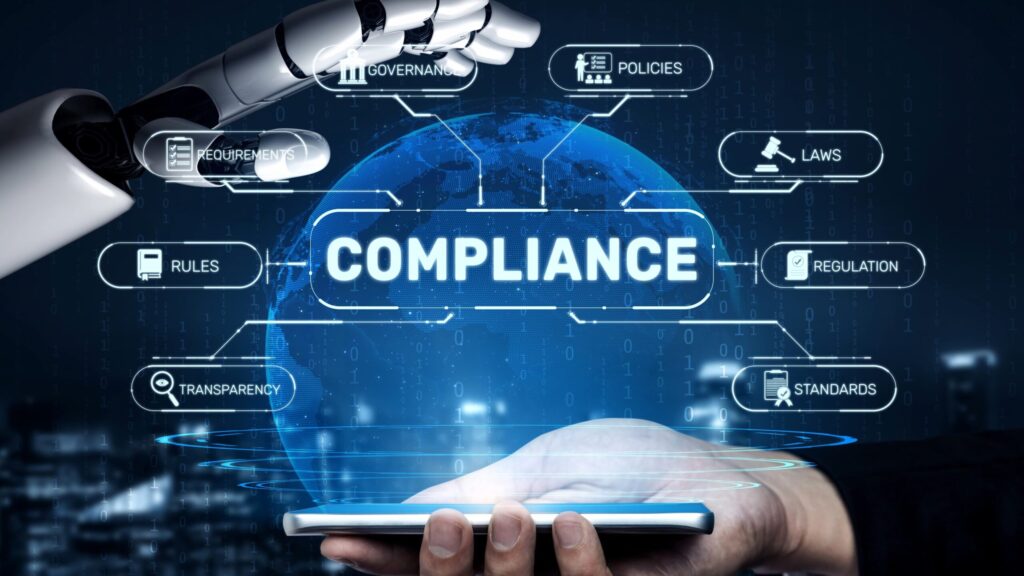
In conversations with clients and industry peers, one consistent theme continues to emerge: Organizations know what compliance requires—retention, defensible deletion, regulatory alignment—but still struggle with how to put those requirements into practice at scale. That gap between intent and execution is not due to a lack of effort. It reflects the growing complexity of regulatory demands, data environments, and organizational structures. As compliance expectations evolve, manual and reactive approaches are proving unsustainable. AI-enabled compliance orchestration is gaining traction as a meaningful response. It does not replace governance expertise. Instead, it helps extend and apply that expertise in ways that are scalable, measurable, and resilient to change. From Policy to Execution Many organizations already have the building blocks in place, such as retention schedules, privacy frameworks, and governance policies. However, applying those controls consistently across repositories, platforms, and departments remains a significant hurdle. Compliance orchestration offers a way to address this disconnect. It focuses on translating governance frameworks into operational workflows by linking policy with systems and supporting more consistent, auditable execution. At LexShift, we see this challenge frequently through our advisory and implementation work. Whether in the private or public sector, organizations are looking for practical ways to make governance work across complex data ecosystems. Orchestration offers one viable path forward. Governance That Learns and Adapts The orchestration model becomes especially effective when paired with AI. With the right oversight and inputs, AI can support: These capabilities do not solve the problem on their own, but they can significantly reduce the burden on IG teams and help shift compliance from reactive to proactive. From One-Time Efforts to Sustainable Programs Much of what has traditionally been considered “compliance work” has taken the form of point-in-time projects: audits, cleanup efforts, or isolated policy updates. While these efforts are often necessary, they rarely create lasting control or visibility. The shift we are seeing, and helping organizations make, is toward repeatable and sustainable programs that embed governance into day-to-day operations. This includes not just tools and workflows, but also clear ownership, current retention policies, and metrics that reflect the organization’s actual compliance posture. Looking Ahead In today’s environment, compliance is no longer a static checklist. It is a dynamic capability. Organizations need to demonstrate that policies are not only documented but actively followed, consistently applied, and supported with evidence. AI-enabled orchestration can help make this possible, especially when combined with strong governance models and subject-matter oversight. That balance—between automation and defensibility, and between policy and practice—continues to shape our work. For more on how we are approaching this challenge with our clients, visit lexshift.com/lexshift_staging/ The information you obtain at this site, or this blog is not, nor is it intended to be, legal or consulting advice. You should consult with a professional regarding your individual situation. We invite you to contact us through the website, email, phone, or through LinkedIn.