
Building for Sustainability: Designing a Governance Operating Model that Supports Orchestration

Compliance orchestration can begin with a pilot, but it can’t thrive in isolation. To sustain impact, organizations need more than workflows and tools—they need a governance operating model that supports clarity, consistency, and accountability across the lifecycle of information. In this post, we explore what that model looks like, and how organizations can build it to support long-term success. Why Governance Operating Models Matter Compliance orchestration connects policies to systems. But governance defines how those policies are made, maintained, and enforced. Without a functioning governance model, orchestration becomes brittle. Rules are unclear. Ownership is fragmented. Updates are manual and inconsistent. As a result, automation either breaks down or drifts away from the original intent. An effective governance model provides the foundation orchestration needs to scale—one that includes structure, roles, decision rights, and mechanisms for feedback and change. Five Core Elements of a Governance Operating Model 1. Defined Ownership Every element of compliance—from retention schedules to classification rules—requires clear ownership. Not just for legal review, but for ongoing maintenance and implementation. Key questions to resolve: Governance models work best when accountability is distributed but aligned. That means clarity at the top, and coordination across legal, compliance, IT, and business units. 2. Decision-Making Frameworks Policies change. Risk profiles shift. New regulations emerge. A strong operating model defines how decisions are made and who is empowered to make them. Consider: The absence of a clear decision-making structure slows orchestration and increases risk. The presence of one enables agility without chaos. 3. Policy Lifecycle Management Policies are not static. A sustainable governance model includes processes for reviewing, updating, and retiring governance rules over time. Best practices include: Governance models that anticipate change are more likely to survive it. 4. Integrated Execution Execution does not sit in a silo. The operating model must ensure that governance is embedded in day-to-day operations. Examples include: Orchestration succeeds when governance is part of the system, not added to it. 5. Measurement and Oversight Measurement is what turns governance from a framework into a program. The operating model should define what gets measured, how often, and how results are used. This includes: Monitoring alone is not enough. Sustainable models turn insight into action. Putting It All Together A well-designed governance operating model supports orchestration by making it: At LexShift, we help clients design governance structures that are pragmatic and adaptable—not just ideal on paper, but workable in practice. Because long-term compliance is not just about policies or tools. It is about people, processes, and the structure that brings them together. Next in the series: How to support orchestration across decentralized environments. To learn more, visit lexshift.com/lexshift_staging/ The information you obtain at this site, or this blog is not, nor is it intended to be, legal or consulting advice. You should consult with a professional regarding your individual situation. We invite you to contact us through the website, email, phone, or through LinkedIn.
AI-Enabled Compliance Orchestration: Moving from Policy to Practice
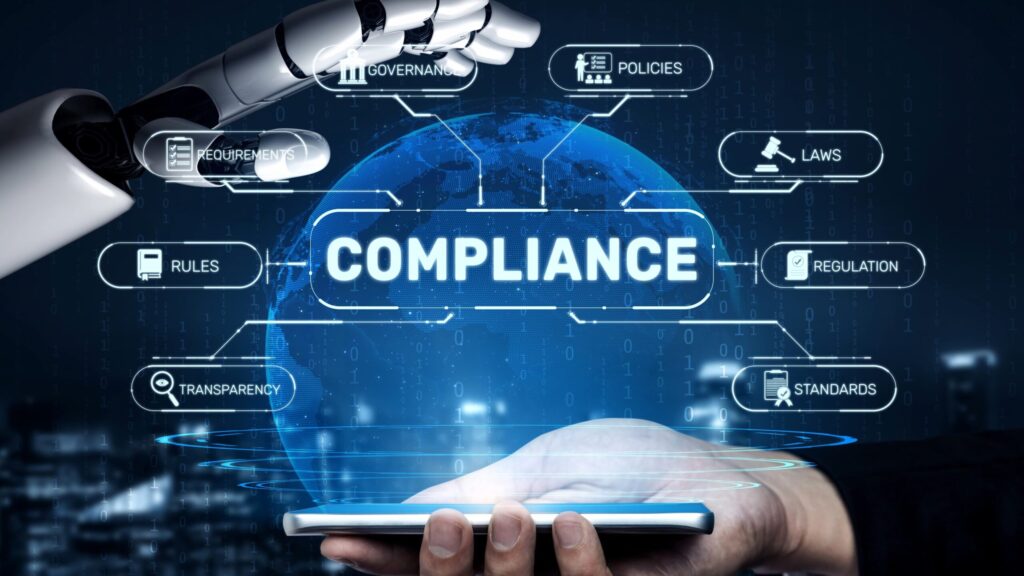
In conversations with clients and industry peers, one consistent theme continues to emerge: Organizations know what compliance requires—retention, defensible deletion, regulatory alignment—but still struggle with how to put those requirements into practice at scale. That gap between intent and execution is not due to a lack of effort. It reflects the growing complexity of regulatory demands, data environments, and organizational structures. As compliance expectations evolve, manual and reactive approaches are proving unsustainable. AI-enabled compliance orchestration is gaining traction as a meaningful response. It does not replace governance expertise. Instead, it helps extend and apply that expertise in ways that are scalable, measurable, and resilient to change. From Policy to Execution Many organizations already have the building blocks in place, such as retention schedules, privacy frameworks, and governance policies. However, applying those controls consistently across repositories, platforms, and departments remains a significant hurdle. Compliance orchestration offers a way to address this disconnect. It focuses on translating governance frameworks into operational workflows by linking policy with systems and supporting more consistent, auditable execution. At LexShift, we see this challenge frequently through our advisory and implementation work. Whether in the private or public sector, organizations are looking for practical ways to make governance work across complex data ecosystems. Orchestration offers one viable path forward. Governance That Learns and Adapts The orchestration model becomes especially effective when paired with AI. With the right oversight and inputs, AI can support: These capabilities do not solve the problem on their own, but they can significantly reduce the burden on IG teams and help shift compliance from reactive to proactive. From One-Time Efforts to Sustainable Programs Much of what has traditionally been considered “compliance work” has taken the form of point-in-time projects: audits, cleanup efforts, or isolated policy updates. While these efforts are often necessary, they rarely create lasting control or visibility. The shift we are seeing, and helping organizations make, is toward repeatable and sustainable programs that embed governance into day-to-day operations. This includes not just tools and workflows, but also clear ownership, current retention policies, and metrics that reflect the organization’s actual compliance posture. Looking Ahead In today’s environment, compliance is no longer a static checklist. It is a dynamic capability. Organizations need to demonstrate that policies are not only documented but actively followed, consistently applied, and supported with evidence. AI-enabled orchestration can help make this possible, especially when combined with strong governance models and subject-matter oversight. That balance—between automation and defensibility, and between policy and practice—continues to shape our work. For more on how we are approaching this challenge with our clients, visit lexshift.com/lexshift_staging/ The information you obtain at this site, or this blog is not, nor is it intended to be, legal or consulting advice. You should consult with a professional regarding your individual situation. We invite you to contact us through the website, email, phone, or through LinkedIn.